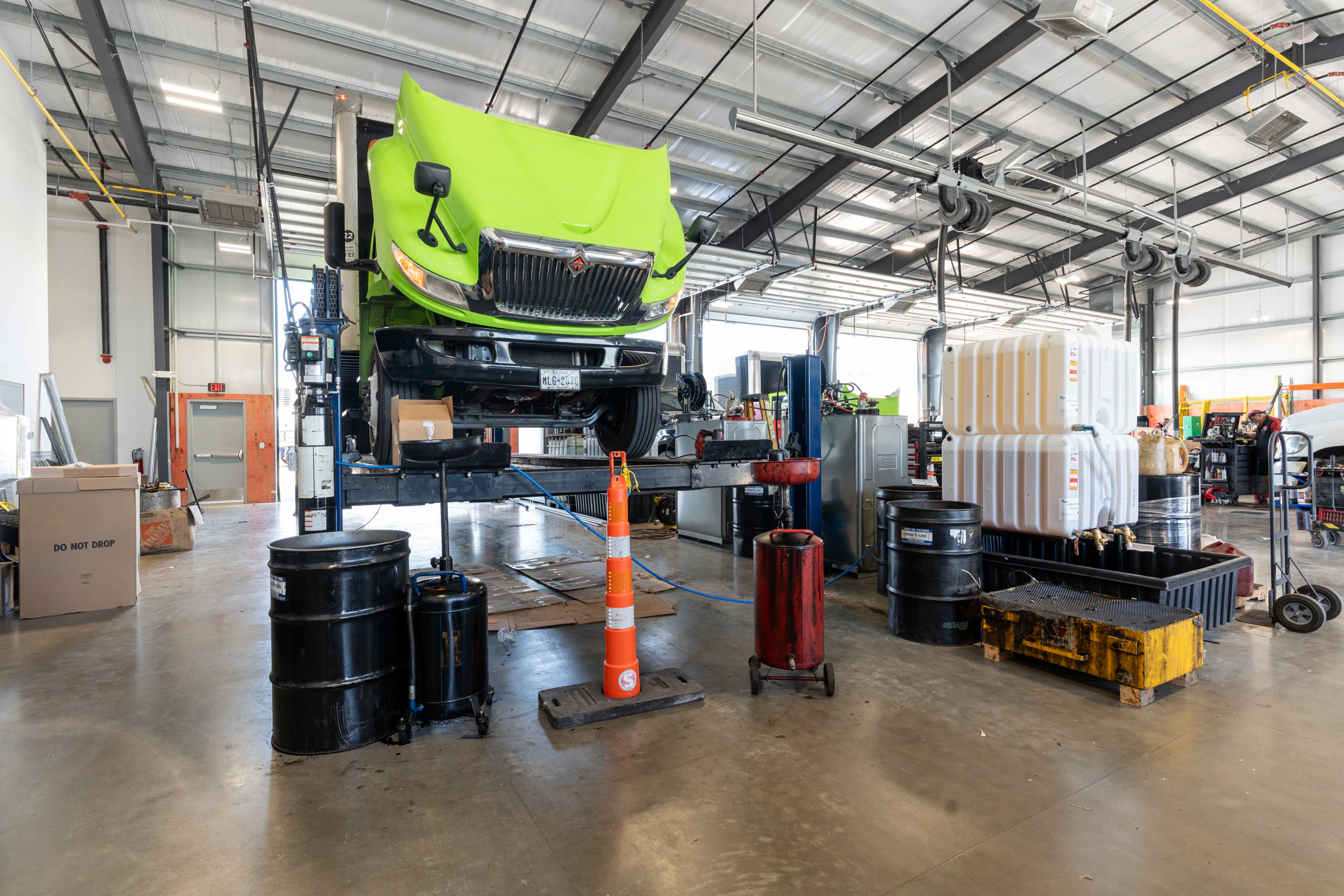
Fleet Air Brake System Maintenance to Prevent Moisture and Air Pressure Problems
Fleet Air Brake System Maintenance to Prevent Moisture and Air Pressure Problems
Moisture and pressure loss can turn a healthy fleet air brake system into a downtime problem. Learn how preventive air brake maintenance helps Virginia Beach fleets protect air dryers, tanks, lines, and braking performance.
A truck can build air normally in the morning and still develop pressure trouble halfway through a route. Moisture, small leaks, restricted lines, and worn air-system components can gradually undermine braking performance before the problem becomes obvious.
That’s why consistent fleet air brake system maintenance operators can build into preventive maintenance schedules matters. Catching moisture and pressure problems early helps you keep compressed air moving where it needs to go and reduce unexpected downtime.
Why Does Fleet Air Brake System Maintenance Matter?
Heavy-duty air brakes depend on a chain of components working together. The compressor supplies compressed air, the air dryer removes moisture, storage tanks maintain an available air supply, and air lines deliver that pressure to the service chambers.
At the wheel end, compressed air acts on a diaphragm inside the service chamber. That movement operates the pushrod and slack adjuster, rotates the S-cam, and presses the brake shoes against the drum. A problem upstream can therefore affect what happens when your driver presses the brake pedal.
For fleet managers, commercial truck air brake maintenance should focus on the complete system rather than treating the wheel-end brakes and compressed-air supply as unrelated equipment.
How Does Moisture Get Into a Truck Air Brake System?
Your truck's compressor takes in air and compresses it for use by the braking system. The air dryer then removes moisture before compressed air continues through the system.
When the dryer cannot remove moisture effectively, water can collect downstream. Moisture in truck air brake system components is more than an inconvenience because accumulated water can compromise braking operation and create additional problems inside air lines and storage tanks.
A properly operating dryer is especially important because it sits near the beginning of this process. If moisture gets past it repeatedly, you're dealing with a system-wide concern rather than an isolated wet tank.
What Problems Can Moisture Buildup Cause?
Moisture buildup in commercial truck air brakes should prompt an inspection instead of simply draining the tanks and sending the truck back out. Repeated moisture can indicate that the air dryer or another part of the air supply system needs attention.
Your maintenance program should watch for:
- Excessive water when air tanks are drained
- Moisture repeatedly returning after service
- Air dryer performance concerns
- Contamination or restrictions in air lines
- Unexplained changes in air-system operation
- Pressure problems occurring alongside excessive moisture
Draining accumulated moisture addresses what is already in the tank. Finding out why excessive moisture keeps reaching the tanks addresses the underlying maintenance issue.
What Causes Truck Air Pressure Problems Virginia Beach, VA Fleets Should Watch For?
Air pressure problems can develop anywhere between the compressor and the brake chambers. A fleet technician should therefore avoid assuming every pressure complaint comes from the same component.
Common inspection areas include the compressor, air dryer, storage tanks, fittings, air lines, and brake chambers. Fleets can also encounter pressure problems that result from leakage somewhere in the compressed-air system.
A pressure problem may appear as slow pressure buildup, difficulty maintaining expected pressure, frequent compressor operation, or an identifiable air leak. Drivers who understand what normal operation looks and sounds like can provide valuable early warning when something changes.
How Should Fleets Check Air Lines and Connections?
Air lines carry compressed air from the tanks to the service chambers, making their condition essential to reliable brake operation. Include lines, fittings, connections, and mounting points in routine heavy-duty truck air brake maintenance inspections.
Look for visible deterioration, damaged routing, rubbing, loose connections, and evidence of leakage. Even when a truck still builds pressure, a developing leak deserves attention before it becomes a larger operational problem.
Don't stop the inspection at an obvious leak, either. Determine why the line or fitting failed so your fleet can correct routing, contact, mounting, or related issues that could cause the replacement part to fail again.
What Air Brake Components Belong on a Preventive Maintenance Checklist?
Effective air brake system maintenance for commercial fleets in Virginia Beach operations should follow compressed air from its source to the wheel end. That approach makes it easier to spot relationships between pressure, moisture, and mechanical brake concerns.
A practical inspection should account for the following areas:
- Air compressor: Confirm the component responsible for supplying compressed air is operating properly.
- Air dryer: Check the system responsible for removing moisture before it travels farther downstream.
- Compressed-air tanks: Inspect storage tanks and monitor them for abnormal moisture accumulation.
- Air lines and fittings: Look for leaks, deterioration, damaged routing, or loose connections.
- Service chambers: Inspect the components that convert air pressure into mechanical brake movement.
- Pushrods and slack adjusters: Check the linkage responsible for transferring and controlling brake movement.
- S-cams: Inspect the components responsible for separating the brake shoes during application.
- Brake shoes and drums: Check friction components for condition and wear.
This full-system approach makes fleet air brake service more useful than simply reacting to individual symptoms.
Why Should Brake Adjustment and Wheel-End Condition Be Checked Too?
Good air pressure doesn't automatically mean every brake component is in good condition. The compressed-air system provides the force, but mechanical components still have to convert that force into effective braking.
Slack adjusters compensate as brake shoes wear because worn shoes otherwise require additional pushrod travel. The S-cam then translates that movement into outward brake-shoe movement against the drum.
That means preventive commercial truck air brake maintenance should include both the pneumatic and mechanical sides of the braking system. Pressure supply, chamber operation, linkage condition, and friction components all matter.
How Can Drivers Help Identify Air Brake Problems Earlier?
Your drivers spend more time with fleet vehicles than anyone else, so their observations can support preventive maintenance. Encourage them to report changes instead of waiting for a problem to become severe.
Reports of unusual air-system behaviour, audible leaks, changing pressure characteristics, or braking that feels different give technicians useful diagnostic starting points. The sooner your shop receives that information, the sooner it can inspect the affected truck.
Driver reports shouldn't replace scheduled fleet air brake system maintenance. Instead, they add another layer of early detection between planned inspections.
How Can Virginia Beach Fleets Reduce Moisture and Pressure-Related Downtime?
Consistency matters. Preventive maintenance works best when technicians inspect air-system components on a planned schedule and document recurring conditions across individual trucks.
For fleets operating around Virginia Beach and Hampton Roads, route conditions, vehicle duty cycles, mileage, operating hours, and manufacturer recommendations should help determine service timing. A truck that spends its days working hard in stop-and-go commercial service may need different attention than a vehicle with another duty cycle.
Tracking recurring truck air pressure problems Virginia Beach VA fleets experience can also reveal patterns. If the same vehicle repeatedly develops excessive moisture, pressure loss, or air-line damage, treat the history as diagnostic information rather than a string of unrelated repairs.
Keep Your Fleet's Air Brake System Ahead of Problems
Reliable air brakes depend on clean, adequately supplied compressed air and mechanical components that respond correctly when pressure reaches the wheel end. Regular dryer, tank, line, chamber, linkage, and friction-component inspections help you find developing problems before they become roadside downtime.
For professional fleet air brake service, contact Diesel Garage Company to schedule air brake inspection and maintenance for your commercial trucks. A preventive approach can help keep your fleet ready for its next route instead of waiting for an air-system problem to sideline a truck.
For more information about the industry, read our article on hidden causes of poor AC performance.
Services
Our Diesel Mechanic Services
From preventive maintenance and DOT inspections to welding, fabrication, and parts sales, our team is ready to handle your needs. We also provide fleet programs designed to maximize uptime and reduce costly breakdowns for your trucks.