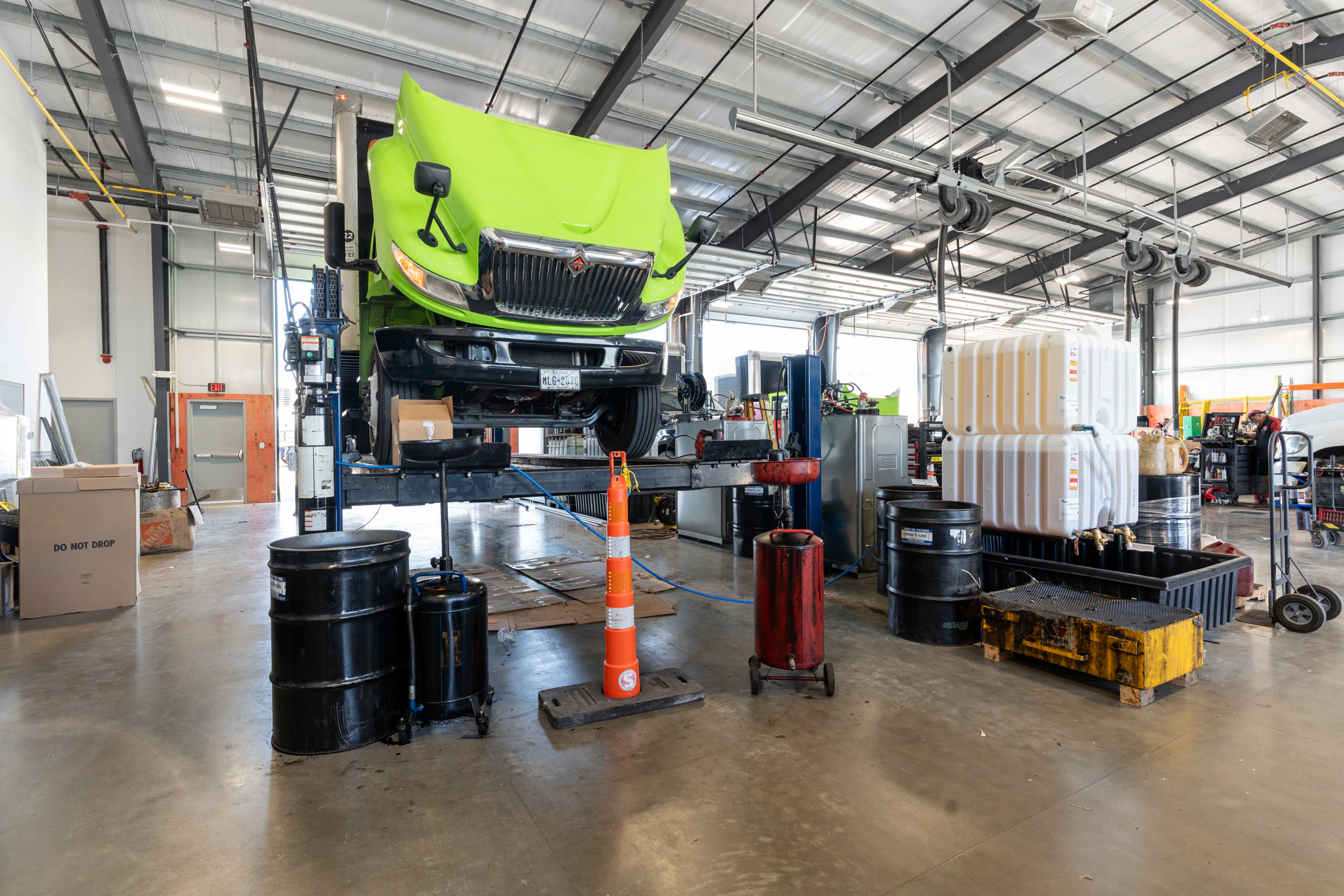
Is Your Fleet Losing Money to Downtime? Schedule Your Preventive Maintenance and Keep Your Truck On the Road
Is Your Fleet Losing Money to Downtime? Schedule Your Preventive Maintenance and Keep Your Truck On the Road
Learn how preventive diesel maintenance reduces downtime, lowers repair costs, and keeps fleet trucks reliable on the road. Discover what to inspect and why it matters for long-term fleet performance.
Every hour a truck sits still, your fleet bleeds money. Missed deliveries, upset customers, overtime labor, tow bills, and emergency repairs can stack up fast. That is why preventive diesel maintenance is not just another box to check. It is one of the smartest ways to protect uptime, control costs, and keep your trucks earning instead of idling.
For fleet operators, downtime rarely starts with a dramatic breakdown. It actually usually begins with a small issue that gets ignored. Low fluids, worn brake inspections, dirty filters, weak batteries, or neglected cooling system service can snowball into major failures. A disciplined maintenance routine helps catch those problems early, before they knock a truck out of service.
Why downtime costs more than most fleets realize
As a fleet manager, when a truck is down, the repair invoice is only part of the damage. A truck that isn’t hauling means you lose revenue from missed loads, burn admin time reshuffling schedules, and put more pressure on the rest of the fleet. And the thing is, before you know it, one failure can lead to other issues that stall operations even more.
That’s why we always recommend fleet maintenance. Instead of waiting for a roadside failure, you service the truck on your schedule. You can plan routes, order parts in advance, and address wear before it becomes a breakdown. So what does this really mean? Preventive work is usually cheaper, faster, and far less disruptive than reactive repair.
What preventive diesel maintenance actually includes
A strong maintenance program covers the systems that take the biggest beating in heavy-duty operation. And that preventive maintenance for heavy trucks focuses on regularly inspecting, servicing, and maintaining critical components to avoid breakdowns, extend service life, and reduce costly downtime.
But what is it that your mechanics are looking out for when they’ve got your trucks in line for maintenance?
Engine oil and fluid checks
Your rig needs oils and fluids to keep running. Oil helps reduce friction between internal components and is necessary for lubrication and cooling. It also carries heat away from vital parts. When oil breaks down, or levels drop, wear accelerates fast.
Routine diesel engine service should include oil changes, fluid condition checks, and leak inspections. Coolant, transmission fluid, gear oil, and DEF matter too. One neglected fluid can compromise an entire system.
Cooling system inspections
Heat is the enemy of reliability. Your radiator, water pump, coolant, fan clutch, and hoses all work together to remove heat from the engine. When coolant degrades, flow drops, or a component starts to fail, overheating becomes a real risk.
That matters because overheating is one of the most common roadside breakdowns in heavy-duty trucks. Regular cooling system service helps prevent engine stress, protects the transmission, and keeps trucks moving in stop-and-go traffic or under heavy loads.
Brake system checks
Heavy-duty trucks rely on compressed-air brake systems, which have many moving parts. Air compressors, air dryers, tanks, lines, service chambers, slack adjusters, S-cams, shoes, and drums all need attention.
We include brake inspections in our routine maintenance to catch worn brake shoes, air leaks, slack adjuster problems, and moisture issues before stopping power is affected. That is not just about uptime. It is about safety, compliance, and protecting drivers on the road.
Tire and wheel-end monitoring
Tires can wear unevenly for a variety of reasons, including improper inflation, alignment issues, suspension wear, or load imbalance. Wheel-end components matter just as much. Bearings must remain properly lubricated because excess friction generates heat, which can damage parts.
A neglected wheel bearing can overheat, screech, or even compromise the wheel assembly. That is bad news for any truck, especially a loaded commercial unit. Regular truck maintenance schedule reviews should always include tire condition, tread wear, wheel-end play, and heat checks.
After treatment and DEF system care
Modern diesel trucks depend on aftertreatment systems to control emissions. The EGR, DPF, DOC, and SCR systems all play a role, and DEF is a key part of that process. If sensors fail, filters clog, or DEF quality slips, your truck can lose performance or trigger derates.
Routine DPF cleaning intervals and DEF system maintenance checks can help prevent costly emissions-related downtime. Ignore those systems long enough, and your truck may tell you about it at the worst possible time.
How preventive maintenance saves money
Preventive maintenance protects your bottom line in several key ways.
First, it reduces emergency repairs. Shop time is expensive enough. Road calls, towing, missed deadlines, and after-hours labour are even worse.
Second, it helps parts last longer. Clean fluids, proper lubrication, and early adjustments reduce wear on engines, transmissions, drivelines, brakes, and suspension components.
Third, it improves planning. With a solid truck maintenance schedule, you can group services together, minimize disruptions, and avoid scrambling when a truck goes down unexpectedly.
Finally, it supports fuel efficiency and performance. Dirty filters, underinflated tires, worn driveline parts, and poor engine health can all drag down fuel economy. A well-maintained truck usually runs cleaner, smoother, and more efficiently.
Warning signs your fleet may already be losing money
Sometimes the clues are right in front of you. You just have to connect the dots.
Watch for repeat roadside calls, rising fuel consumption, overheating complaints, hard shifting, air-brake issues, abnormal tire wear, or frequent check-engine lights. Those patterns often point to weak preventive practices.
It is also worth paying attention to small delays in the yard. When trucks need constant jump-starts, top-offs, or last-minute fixes before dispatch, that is not normal wear and tear. That is downtime trying to happen.
Building a maintenance plan that works in the real world
A good plan is not complicated, but it does need consistency. Start by tracking every truck by mileage, hours, route type, and operating conditions. A long-haul unit and a stop-and-go vocational truck will not wear the same way.
Then build service intervals around the truck’s actual workload. Include oil and filter changes, fluid checks, brake inspections, tire rotations, aftertreatment service, battery testing, and cooling system reviews. Most importantly, document everything. Trends are easier to spot when the records are clean.
Drivers should be part of the process, too. Pre-trip and post-trip inspections can catch leaks, warning lights, brake concerns, and tire damage before minor issues become major repairs.
What’s in it for fleet operators
Downtime is expensive, but much of it is preventable. A smart preventive diesel maintenance strategy helps you catch problems early, reduce surprise failures, improve safety, and keep your trucks on the road where they belong.
For fleets in and around Virginia Beach, VA, the goal is simple: fewer breakdowns, better reliability, and more productive trucks. When you stay ahead of wear, you stay ahead of unnecessary costs too.
If your fleet has been dealing with avoidable downtime, now is the time to tighten up your maintenance process and keep those trucks rolling. Reach out to Diesel Garage Company in Virginia Beach, VA, to schedule professional fleet maintenance and stay ahead of the next breakdown.
Services
Our Diesel Mechanic Services
From preventive maintenance and DOT inspections to welding, fabrication, and parts sales, our team is ready to handle your needs. We also provide fleet programs designed to maximize uptime and reduce costly breakdowns for your trucks.